How to convert a PDF to EPUB—and check that it reads well
Converting a PDF to EPUB should make reading easier: larger text, less zooming and paragraphs that fit your screen. Start with the original PDF, create a sample and read a few passages before converting the full document. EPUBTurn gives you a free sample so you can judge your own file rather than guess from somebody else's example.
On this page
- Start with the PDF you actually want to read
- Create a sample with EPUBTurn
- Read a complete passage, not just the first screen
- Increase the font size
- Continue when the sample solves your reading problem
- What the research-paper workflow required
- Try the document that matters to you
- Reading conversion is different from editing
- Source and licence
- A sample you can actually download
- NASA source
Start with the PDF you actually want to read
Use the original PDF, not an EPUB that another converter has already scrambled. A broken conversion can carry mixed paragraphs or missing pictures into the next attempt. Starting from the source gives EPUBTurn the original page content to work with.
Choose a PDF you have permission to upload. If you can obtain a clearer original, use it: tiny print, blurred scans and clipped diagrams make the result harder to judge. A readable source is useful even when the page layout is complicated.
Before uploading, identify what bothers you most. Do you constantly zoom? Do columns make you move across the screen? Are the pictures important? Those answers give you a useful way to assess the sample.
EPUBTurn offers a sample reading edition for PDFs you are allowed to upload; keep the original available for checking.
Create a sample with EPUBTurn
Upload your PDF to EPUBTurn. The service automatically selects sample pages; you do not need to split the file or prepare a set of cropped columns first. The free sample covers up to 10 selected pages, rather than the whole document.
Let the sample finish, then open the available preview or EPUB download. Check which pages were sampled. A short sample is useful evidence about those pages, but may not contain a difficult table or unusual page later in the document.
Read a complete passage, not just the first screen
An attractive opening is not enough. Read from the start of one paragraph through the start of the next. If the source has columns, follow the last sentence in the first column into the next passage. If the article has a figure, read the sentence introducing it and inspect the picture and caption together.
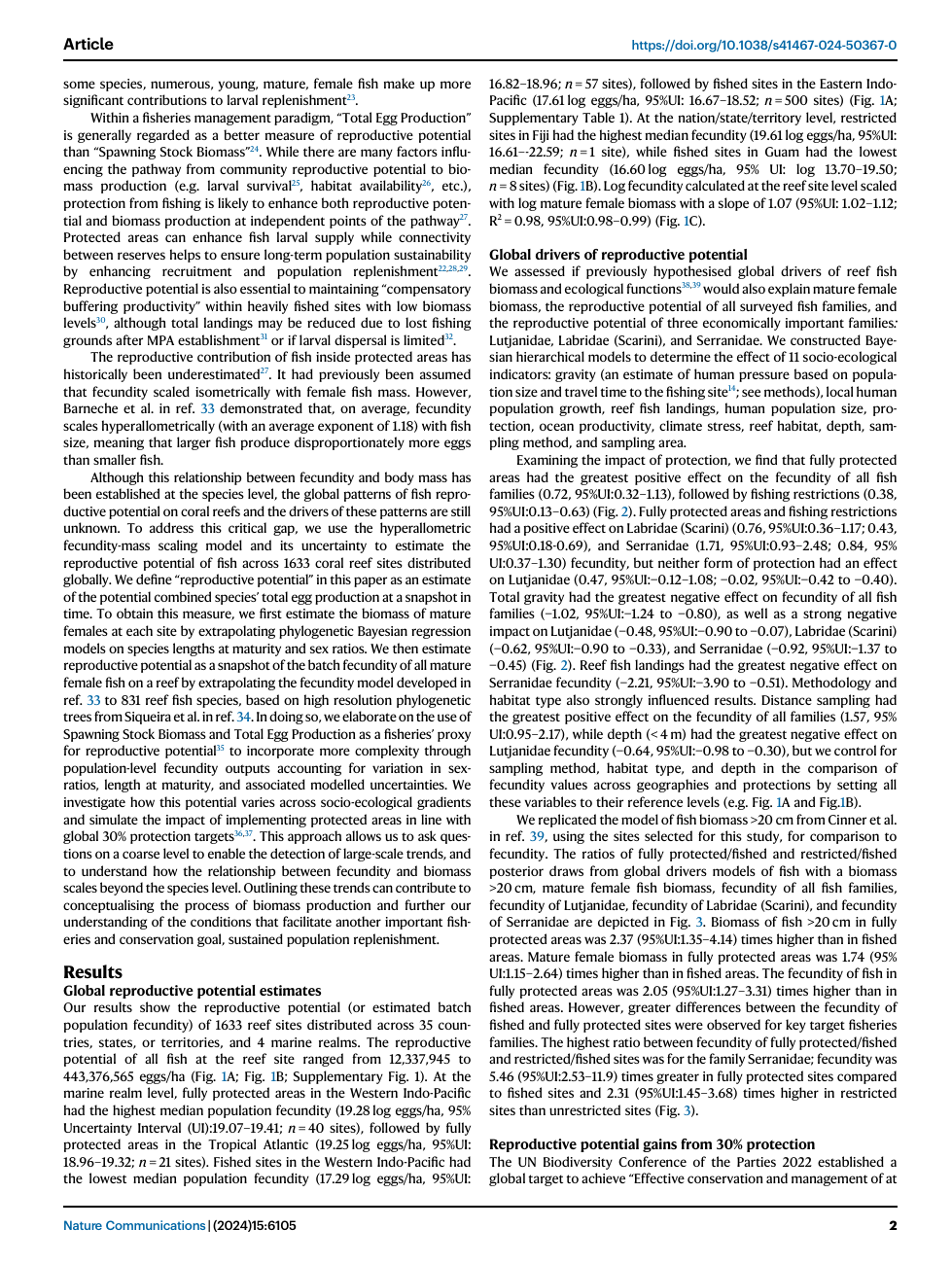
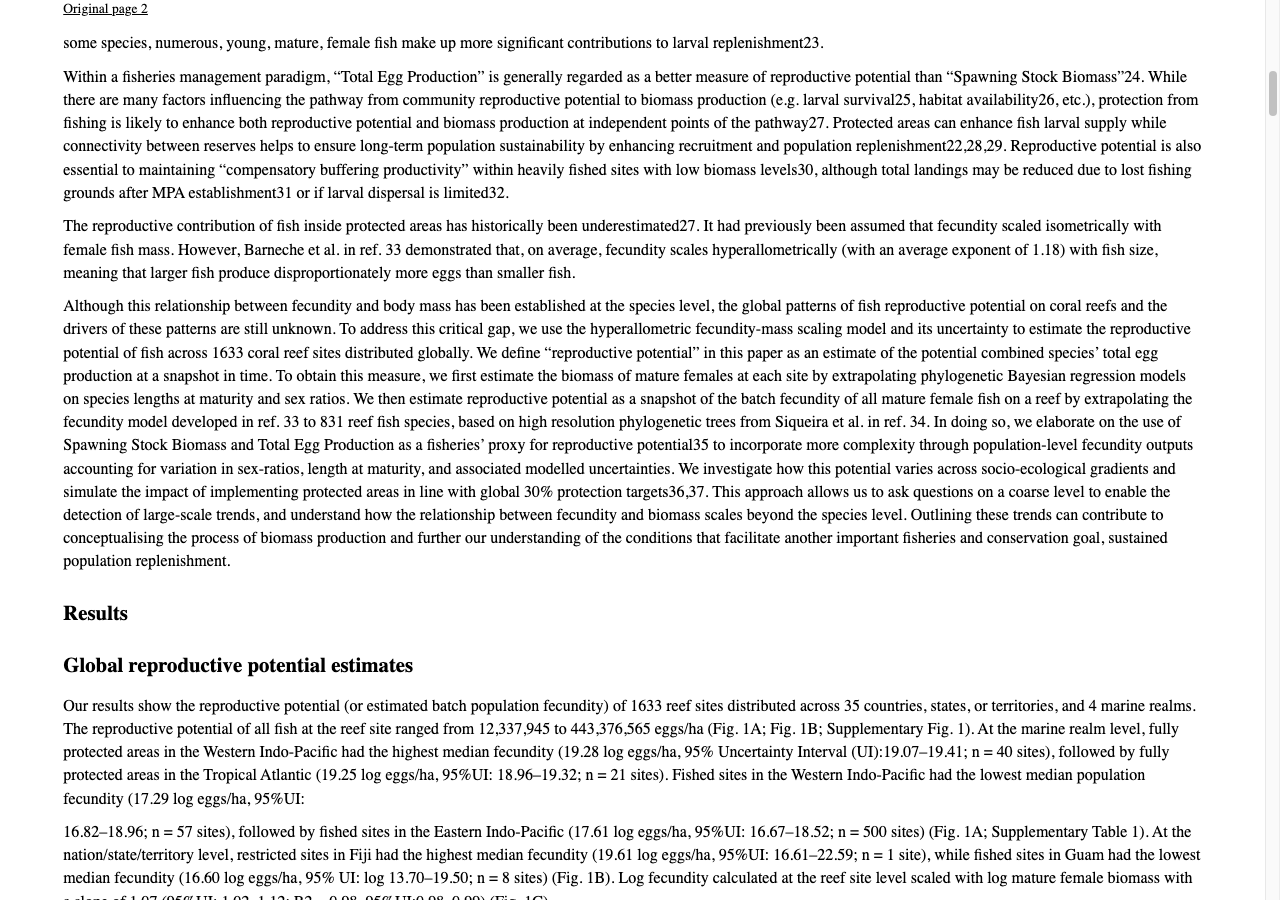
Page two of the published coral-reef paper contains neighbouring columns and population estimates. Compare the complete passage before interpreting any number. Page three supplies Figure 1 for a separate illustration check. Those two locations test different relationships; neither is established by the book opening successfully.
Increase the font size
Try a larger text size in your reading app. A useful reading edition lets the paragraph form new lines to fit the screen. It should not require sideways scrolling just to follow ordinary body text.
Pictures behave differently from text. A graph or labelled diagram may still need zooming to inspect small details. EPUBTurn is designed to keep useful illustrations near their related passages while reconstructing adjustable text; inspect both parts before deciding the result suits you.
Continue when the sample solves your reading problem
If the sampled passages read comfortably, continue with full-document conversion through EPUBTurn. Review the page-credit confirmation before committing. After downloading, check an important passage beyond the sample and keep your original PDF for reference.
If the sample has a specific problem, identify it before trying again: mixed columns, missing or misplaced images and quality checks have their own guides. Repeating a conversion without examining the problem tells you little.
What the research-paper workflow required
We used a ten-page excerpt of a published coral-reef research paper. The initial automatic run stopped at an equation on page seven. Three equation crops were corrected by hand before a reviewed EPUB export became available. The normal cloud download remained blocked by the job status; the saved file is not evidence of an uninterrupted automatic workflow.
The reviewed reading copy keeps the checked column continuation and the numbers with their correct populations. Figure 1 retains its map, density plot and scatter plot, but lower axis labels are clipped. Use the published research-paper comparison to inspect those differences before assuming an attractive first screen settles the whole document.
Published PDF
Reviewed EPUBTurn result
Try the document that matters to you
A generic demonstration cannot tell you how your magazine will read. Try your own PDF free, compare a complete passage and decide whether EPUBTurn makes reading more comfortable.
Reading conversion is different from editing
EPUBTurn creates a reading edition with adjustable text and useful illustrations. The output should be judged for paragraph continuity, content completeness, figures and navigation. Keep the source PDF for placement-dependent material. An EPUBTurn sample is not a promise of identical typography or a substitute for an editable authoring document.
Source and licence
Source: Hadj-Hammou et al. (2024), Global patterns and drivers of fish reproductive potential on coral reefs. CC BY 4.0. Pages 1–10 extracted; converted files and screenshots are adaptations.
A sample you can actually download
Compare the NASA report excerpt with the actual NASA sample EPUB. The automatic sample selected excerpt pages four, five and six; Figure 2’s six hardware drawings, labels and caption remain available with the selected prose. No manual output edits were made. The opening Figure 1 was outside the selection, and the generic Frontmatter chapter and numbered-list formatting still need attention. That is why checking sample coverage belongs in the workflow.
NASA source
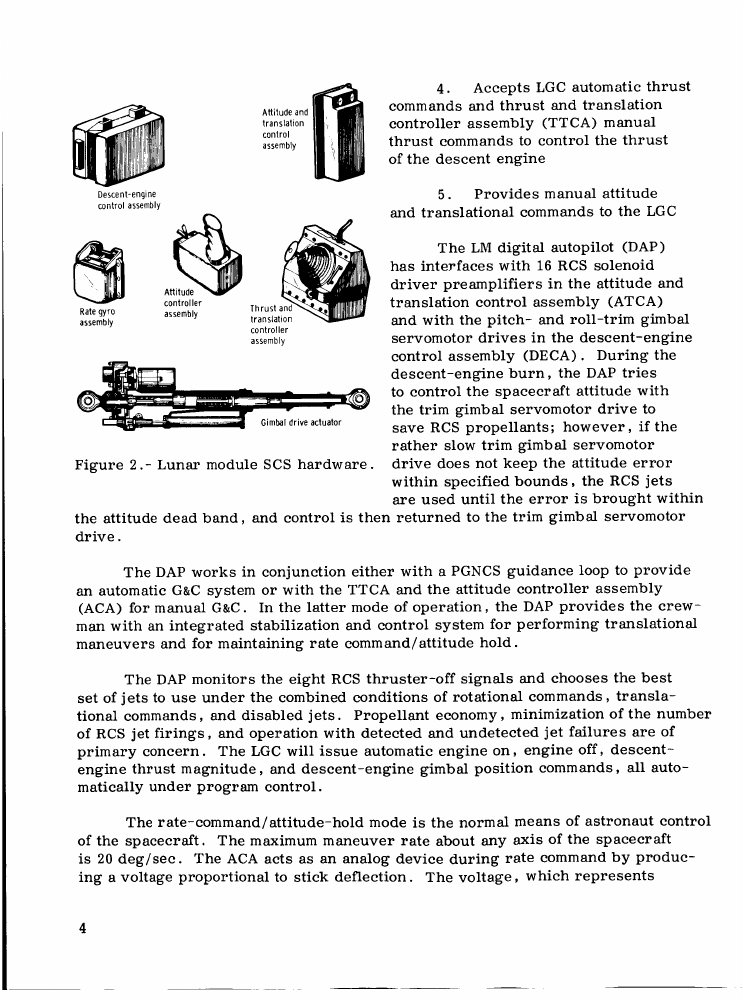
EPUBTurn sample
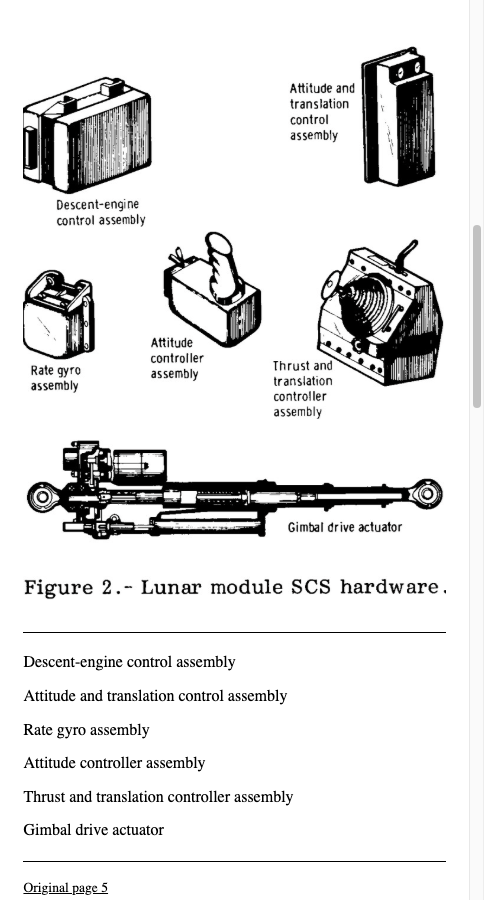
NASA source
D. Harold Shelton, Apollo experience report: Lunar module stabilization and control system, NASA, 1975. US government work; public use permitted. Original pages 3–8 extracted; sample selects excerpt pages 4–6.
Files used in this guide
Download the source files, conversion results or worksheets referenced here. Each label identifies the source document or the converter used.
Published research-paper PDF (pages 1–10)EPUBTurn reviewed result; three equation crops correctedNASA technical report source excerptEPUBTurn actual NASA sample: three selected pages