Run a fair EPUB reader task: questionnaire and protocol
Download a neutral reader questionnaire and protocol. Separate factual task answers from layout preference and report participant limits without invented outcomes.
On this page
Give readers the same reading task
- Give readers the same short task.
- Keep content questions separate from preferences.
- Avoid leading them toward a product.
- Record the source and output versions.
Prepare a neutral response form
Use one task row for finding a heading, another for following a passage and another for understanding a figure. Record completion and any error before asking preference questions. Then ask about comfort at the participant’s chosen text size and why. Do not ask whether the improved EPUB was better, which embeds the desired answer. If you publish feedback, obtain permission and explain the sample of readers. Keep observed task performance separate from opinions and avoid presenting a small convenience group as representative research.
Ask readers about a real paper’s passage and figure
Give each reader the same short passage from the published fish-reproduction paper and the original Figure 1. Ask the reader to locate the passage’s subject, explain one numerical condition and identify which plot panel supports a statement. Keep answers about content separate from preferences for font size or page appearance. A reader who cannot interpret a clipped axis label has found a concrete limitation, even if the surrounding prose feels comfortable. This is a study plan using real material, not collected reader-study results or testimonials.
A small reader study is not a market survey
This article describes a reader-study plan, not study results or testimonials. A few friends are not a representative population, and subjective preference does not prove factual completeness.
Avoid turning preference into accuracy
A reader can prefer a layout containing an error, or dislike a layout that preserves all content. Keep those observations separate. Ask the content questions first, then invite comments about text size, spacing or navigation comfort.
If a participant struggles, record the task and what happened rather than assuming the format caused every difficulty. Familiarity with a reader, eyesight and personal reading habits can affect the experience. A small study can reveal useful issues, but it should not be presented as a universal preference result. Any published quotation needs permission and enough context to avoid becoming a fabricated product endorsement.
Give readers an actual labelled-picture task
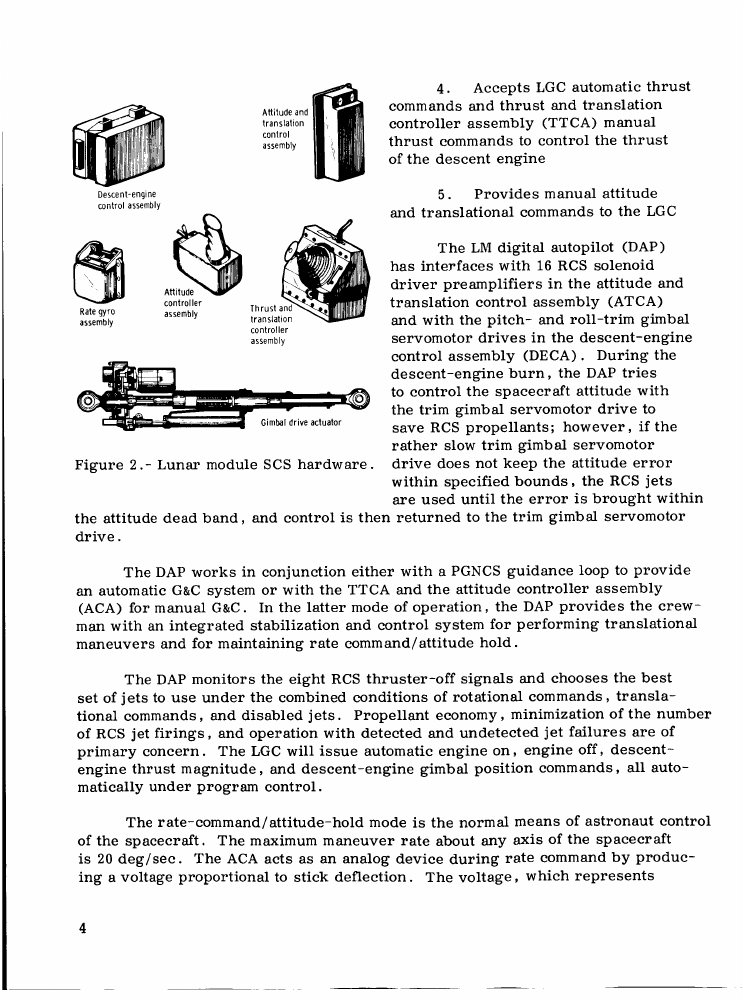
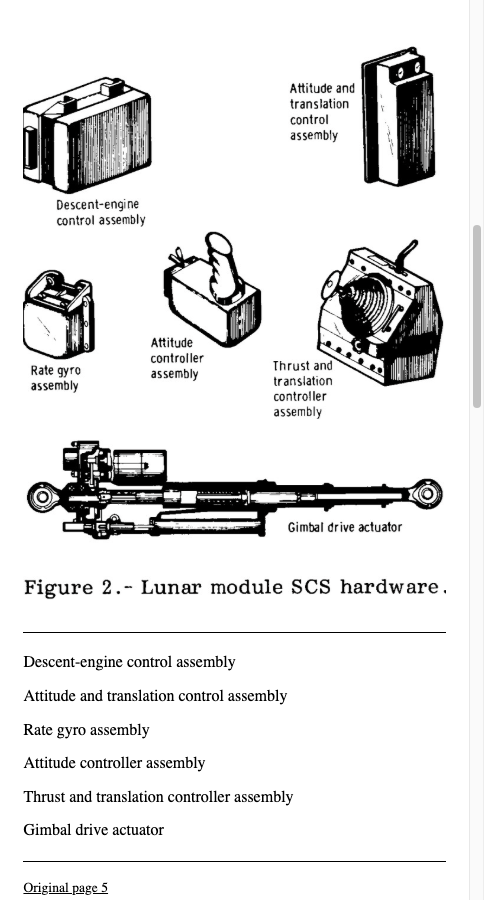
Use the same NASA EPUB for every reader and ask each person to locate the gimbal-drive actuator, read its label and follow one numbered Abort Mode function. Keep the source page available for judging the answer. The file’s labels and prose are observed content, while reader preferences and task-completion results still need collecting. EPUBTurn supplies one real reading copy for the exercise; we have not run a reader study or produced testimonials from it.
Open the actual source PDF · Download the saved EPUBTurn sample.
For your own document, create an EPUBTurn sample from your PDF, then use the reading checks described here.
Source PDF
EPUBTurn sample
Sources and further reading
Related guides
- Inspect real PDF and EPUB examples: source, raw output and edits
- Build a reproducible PDF to EPUB comparison record
- Illustrated PDF to EPUB: actual diagrams, charts and reading results
- Download real PDF sources and actual EPUB conversion outputs
- Build a reading-order test for multicolumn PDFs
- Test whether images stay with their captions